
The difference between a house that looks good and a home that truly feels like a sanctuary comes down to how it handles the senses. True coziness isn’t just about scattering a few plush throw blankets across a sofa or burning a scented candle. It is a deeper, structural experience. It is the feeling of walking into a room and noticing a perfectly stable ambient temperature, the complete absence of subtle drafts chilling your ankles, and the gentle, automated lighting that perfectly matches your evening mood. It is about removing the micro-frustrations of daily life so you can completely unwind.
Master the Climate: Advanced Temperature and Air Control

Achieving absolute comfort inside your home begins with how you manage the air around you. Traditional climate control relies on a central thermostat located in a single hallway, which reads the temperature of that specific spot and tries to apply it to the entire house. This classic setup almost always results in frustrating micro-climates, where the upstairs bedrooms feel like saunas while the basement remains cold.
Beyond the Thermostat: Zoned Climate Control
Transitioning to a zoned system is one of the most effective ways to establish true thermal comfort. By utilizing smart motorized dampers within your ductwork, or by installing independent ductless systems, you can divide your home into distinct climate zones. This allows you to manage temperatures based on actual usage patterns throughout the day.
-
Keep home offices comfortable during daytime working hours without wasting energy on empty guest bedrooms.
-
program bedroom temperatures to drop slightly at night to encourage deeper sleep while keeping the main living areas warm.
-
Deploy wireless remote sensors that communicate directly with your primary system, ensuring the equipment adjusts based on the room you are actually occupying rather than an empty hallway.
Future-Proofing Your Heating and Cooling Systems
If your current climate systems are more than a decade old, they are likely working much harder than necessary to keep your home comfortable. Older systems rely on single-speed compressors that operate on a harsh blast-and-stop cycle, dumping freezing or scalding air into a room all at once before shutting off completely. This creates noticeable temperature swings and loud, disruptive background noise.
When evaluating your long-term comfort, partnering with a professional heating company can help you determine whether your existing infrastructure is keeping up or failing silently. Upgrading to a modern, variable-speed heat pump or a high-efficiency hybrid system allows the equipment to run continuously at lower, ultra-quiet speeds. This maintains an incredibly steady indoor climate, removes humidity far more effectively, and prevents those jarring blasts of air. Furthermore, ensuring that a professional air conditioning install is handled correctly guarantees that the ductwork is properly sized and balanced, eliminating hot spots and drastically reducing wear and tear on your new investment.
Fuel Management for Continuous Warmth
For homes that rely on dedicated fuel storage for their winter warmth, operational consistency is a major component of home peace of mind. There is nothing cozy about waking up to a freezing house in the middle of a winter storm because your fuel levels dipped below a critical threshold.
Managing this aspect of your home infrastructure requires proactive logistics. Many homeowners rely on a trusted home heating oil provider to ensure their tanks stay properly managed throughout the coldest months of the year. Modern comfort upgrades in this space include the installation of smart, ultrasonic tank monitors. These devices attach directly to your storage unit, track your daily fuel consumption patterns, and automatically alert your delivery provider when it is time for a top-off. This eliminates the need to manually check a mechanical gauge in the freezing weather and ensures your home remains a continuous haven of warmth, no matter how severe the outdoor conditions become.
Fortify the Shell: Sealing Out the Elements

Even the most advanced climate control system will struggle to keep you comfortable if your home has a weak building envelope. The exterior shell of your home is a shield against wind, moisture, and extreme temperatures. When that shield is compromised by degradation or thin materials, your expensive conditioned air escapes rapidly, creating localized drafts and forcing your mechanical systems to run non-stop.
Stopping Invisible Drafts in Their Tracks
To properly seal a home, you must first understand a phenomenon known as the stack effect. In the winter, warm air naturally rises to the top of your home and escapes through tiny gaps around attic hatches, recessed lighting, and top plates. As that warm air breaks out, it creates a vacuum that pulls cold, biting air inward through the lower levels of the house, such as basement rim joists and crawlspaces. This continuous movement of air makes rooms feel drafty and uncomfortable, even if your thermostat says the temperature is high.
Hiring an experienced insulation company to conduct a thorough energy audit is the fastest way to map these invisible leaks. Technicians often use specialized thermal imaging cameras to see exactly where cold outdoor air is cutting through your walls.
-
Blown-in cellulose or fiberglass can be added to attics to create a thick thermal blanket that prevents heat from escaping upward.
-
Spray foam insulation can be applied to complex areas like rim joists to provide an airtight seal and a high thermal resistance value simultaneously.
-
Properly insulating the spaces behind your drywall dampens outdoor acoustic pollution, creating a much quieter, more serene indoor environment.
Upgrading Vulnerable Glass and Framing
Windows represent one of the most significant thermal weak points in any structure. Old, single-pane windows or worn-out wood frames expand and contract over time, creating permanent gaps that let in moisture and drafts. Sitting near a drafty window can make an entire room feel uninviting, ruining the cozy atmosphere you want to create.
Replacing these dated fixtures with a high-quality vinyl frame window install provides an immediate bump in both tactile comfort and energy performance. Modern vinyl frames are engineered with internal chambers that trap air, preventing heat from transferring through the frame itself. When paired with double- or triple-pane glass units that feature low-emissivity coatings, these windows act as a powerful barrier. They reflect harsh solar heat away during the summer while bouncing indoor furnace heat back into your rooms during the winter. Additionally, they eliminate the annoying condensation that often builds up on older windows, protecting your indoor air quality from mold and moisture issues.
The Seamless Flow: Elevating Daily Convenience and Entryways

True home comfort extends beyond temperature; it is deeply tied to how effortlessly you interact with your physical environment. A home that feels chaotic or stubborn to navigate creates mental friction. By upgrading the primary transition points of your property, you can cultivate an environment that welcomes you smoothly from the moment you pull up to the property line.
Creating an Effortless Arrival Experience
The process of coming home should be a relaxing transition, not a multi-step chore. Traditional entryways often require you to stop your vehicle, step out into inclement weather to open a manual barrier, or fumble around in the dark for keys while holding groceries.
Integrating a modern automatic gate at your driveway entrance completely changes this experience. These systems can be linked directly to your vehicle’s built-in transponder, a smartphone application, or proximity sensors that recognize your approach. As you pull up, the barrier glides open silently, allowing you to drive straight onto your property without delay. This setup provides an immediate sense of security and elite comfort, especially during stormy nights or dark winter evenings when you want to get inside as quickly and safely as possible.
Eliminating Thermal Leaks and Noise at the Garage
For homes with attached garages, the garage door is essentially a giant moving wall that directly impacts the comfort of the adjacent living spaces. Standard, uninsulated garage doors offer virtually no thermal protection, turning the garage into a freezing void in the winter and a hot box in the summer. Every time you open the interior door to step into the garage, a massive wave of unconditioned air rushes into your main living space.
Investing in targeted garage door replacements is an excellent way to neutralize this issue. High-quality contemporary garage doors feature thick polyurethane insulation cores sandwiched between durable steel faces, boasting high thermal resistance values. This keeps the garage temperature much closer to the indoor baseline, protecting the walls and bonus rooms that share a boundary with the space. Furthermore, modern replacement kits replace old, rattling steel rollers and chain drives with ultra-quiet nylon rollers and rubber belt-driven openers, ensuring that someone arriving home late at night won’t wake up the entire household.
Designing an Ecosystem of Effortless Routines
Once inside the home, comfort is maintained by minimizing the minor tasks required to keep the environment running smoothly. Walking around the house to adjust individual blinds, flip off multiple light switches, or double-check lock statuses can feel tedious at the end of a long day.
Bringing specialized home automation services into your design plan allows you to stitch these individual devices together into a unified, responsive ecosystem.
-
Establish a “Good Night” routine that locks all exterior doors, lowers the motorized window shades to protect your privacy, dims the interior lights, and sets the climate control to your ideal sleeping temperature with a single tap or voice command.
-
Set your lighting to track the natural progression of the sun, shifting from bright, energizing cool light in the morning to warm, amber tones in the evening to support your body’s natural circadian rhythm.
-
Configure smart water shutoff valves that monitor for plumbing leaks and automatically cut the main water line if a pipe bursts, preventing catastrophic damage and offering absolute peace of mind while you sleep or travel.
The Unseen Backbone: Safe Power and Structural Resilience
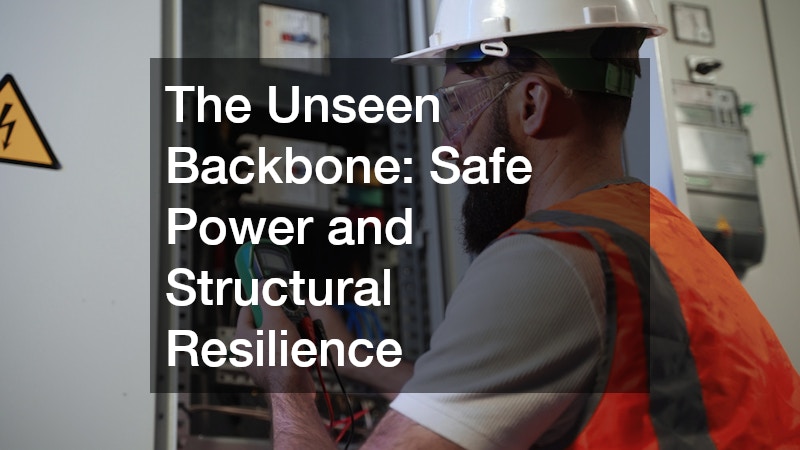
When we think about home improvements that boost comfort, we often focus on the visible finishes and responsive gadgets. However, the most sophisticated smart devices and heavy-duty climate systems are only as reliable as the underlying infrastructure supporting them. Without a robust foundation, your new equipment cannot perform at its peak, and you may find yourself dealing with frequent system disruptions.
Powering a Modern, High-Tech Living Space
Many residential properties were built during an era when a household’s electrical needs were limited to a refrigerator, a few television sets, and standard lighting. Today, a truly comfortable home demands an immense amount of stable electrical power to run variable-speed heat pumps, multi-zone air handlers, automated window treatments, and high-speed network arrays.
If your home still operates on an outdated electrical panel, you are likely to experience annoying performance issues. Lights might flicker when your cooling system kicks on, or circuit breakers might trip unexpectedly when you run multiple appliances at once. Prioritizing electrical panel upgrades ensures that your home has the capacity—often shifting from an outdated 100-amp service to a modern 200-amp or 400-amp service—to deliver clean, unwavering power to all your comfort systems. This infrastructure boost eliminates safety hazards, protects your sensitive smart electronics from power sags, and ensures your climate control never cuts out when you need it most.
Maximizing Long-Term Asset Value and Livability
Achieving a truly cozy home requires a balanced approach to property management. It is easy to get caught up in superficial renovations, but true structural comfort comes from a holistic view of how your home functions as an integrated machine.
When planning a substantial home renovation, it is vital to balance the aesthetic changes with core physical improvements. Knocking down a wall to create an airy, open-concept living area can make your home feel magnificent, but that open space will only feel comfortable if the underlying mechanical, electrical, and thermal insulation systems are upgraded to handle the new layout. By tackling infrastructure and design at the same time, you avoid the frustration of having to tear down fresh drywall down the road to fix a draft or add a wire. This careful, organized approach to remodeling protects your financial investment while delivering a deep, lasting sense of daily physical comfort.
Building a cozy home is an ongoing journey that involves balancing different types of upgrades. The best approach combines hidden structural changes with smart, responsive technology. When your high-efficiency windows and thick insulation work together with a modern climate control system and personalized automation, the result is a home that feels effortlessly comfortable. You stop thinking about the temperature, the lighting, or outdoor noise because the house handles those details for you.