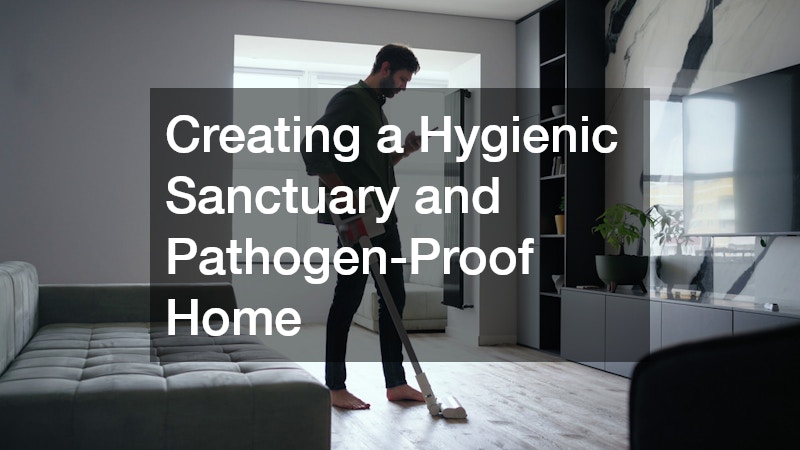
The modern home is often viewed as a safe haven, a sanctuary shielded from the chaotic and unpredictable elements of the outside world. However, scientific research into indoor microbiology reveals a more complex reality. The structures we build to keep the elements out can also trap microscopic threats inside. From volatile organic compounds and seasonal allergens to active biological threats like viruses, bacteria, and fungal spores, the indoor environment can accumulate a significant microbial load.
True home hygiene requires looking beyond superficial cleanliness. Wiping down kitchen countertops and running a vacuum cleaner over the living room rug are excellent daily habits, but they only scratch the surfaces of a much larger ecosystem. Achieving a truly hygienic home environment requires an architectural and mechanical strategy that treats the dwelling as an interconnected system. By looking at air circulation, structural integrity, moisture barriers, and surface materials as a unified defense network, you can systematically dismantle the environments where pathogens thrive.
Eliminating Drafts and Microbe Entry Points
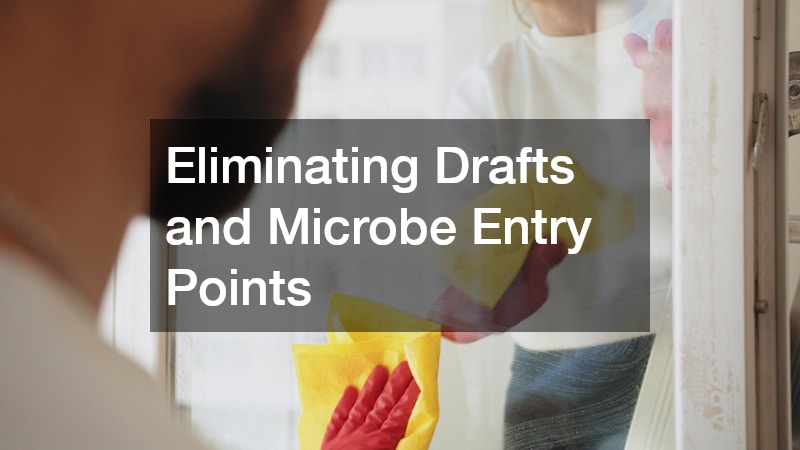
Every time an exterior door is opened or closed, a mass exchange of air occurs. However, a more insidious issue is the continuous, uncontrolled airflow caused by poorly fitted or aging entry systems. Gaps around thresholds and frames allow dust mites, microscopic spores, and moisture-laden air to slip inside unnoticed.
- Audit Your Seals: Periodically inspect the perimeter of all exterior entries. Look for daylight passing through cracks or feel for subtle drafts during windy days.
- Install Heavy-Duty Thresholds: Upgrading your entryways with a professional door installation ensures a tight, flush fit against the frame, eliminating the tiny gaps where pests and microbes pass through.
- Opt for Non-Porous Materials: When selecting entryways, choose fiberglass or steel rather than ornate, unfinished wood. These materials withstand frequent sanitization without degrading or absorbing moisture.
- Implement Weatherstripping: Apply high-density foam or silicone compression seals along the jambs to create an airtight seal when latching the entry shut.
Managing Moisture and Airborne Spores at the Perimeter
Windows are notorious failure points in a home’s environmental shield. When warm, humid indoor air meets cold window glass, it creates condensation. This localized moisture pools on sills and tracks, providing the exact conditions needed for mold colonies and bacterial biofilms to establish a foothold.
- Upgrade to Insulated Glazing: If your home relies on single-pane glass, a comprehensive window replacement using double- or triple-pane insulated units with low-emissivity coatings can greatly reduce condensation by stabilizing interior surface temperatures.
- Enforce Proper Flashing: Ensure that any structural upgrades include correct exterior flashing and high-grade exterior caulking to prevent rainwater from leaking into the wall cavities behind the drywall.
- Maintain Tracks and Sills: Clean window channels every month using a mixture of isopropyl alcohol and water to kill opportunistic spores before they can multiply.
The Arteries of Your Ventilation System
Over years of operation, the internal surfaces of supply and return ducts accumulate a layer of fine debris, including skin flakes, pet dander, lint, and outdoor dust. This buildup creates a rich nutrient bed for biological contaminants. If moisture enters the system through a humid crawlspace or attic leak, these dark pathways can foster widespread microbial colonies.
- Invest in Source Removal: Scheduling a professional air duct cleaning utilizing high-powered negative pressure vacuums and mechanical brushes removes the physical debris that harbors and feeds microbes.
- Sanitize the Network: Request that the cleaning process include an EPA-approved, botanical-based antimicrobial fogging agent to sanitize the interior walls of the ducts without introducing harsh synthetic chemicals into your breathing air.
- Seal Duct Joints: Ensure the technicians check for and seal any loose duct joints with mastic paste or foil tape to prevent unconditioned, contaminated air from being pulled in from attics or crawlspaces.
Airflow and Mechanical Efficiency

A heating system does more than keep a home warm; it drives the velocity of air through filtration media. When heating units malfunction, fail to ignite properly, or suffer from restricted airflow, air stagnation occurs, allowing airborne pathogens to settle onto surfaces rather than being captured by filters.
- Schedule Routine Combustion Audits: Regular furnace repairs and diagnostic checkups ensure that heat exchangers remain intact, preventing dangerous carbon monoxide leaks while keeping air moving effectively through your filters.
- Upgrade Filtration Efficiency: Transition from cheap, fiberglass panel filters to deeply pleated filters rated MERV 13 or higher. These filters are dense enough to trap microscopic bacteria and viral droplets.
- Verify System Static Pressure: Ensure that your heating unit’s blower motor can handle the resistance of a high-efficiency filter without overheating or reducing airflow.
Climate and Humidity Control
Cooling systems are inherently damp environments. As the system drops the air temperature, moisture condenses on the evaporator coil and drips into a collection pan. If this system operates inefficiently, indoor humidity levels can climb above 55 percent, creating an environment where dust mites and mold thrive.
- Maintain the Condensate System: Timely air conditioning repair is essential when dealing with clogged drain lines or frozen evaporator coils, both of which can cause water overflows and indoor mold growth.
- Clean Evaporator Coils: Treat coils annually with a self-rinsing foaming cleaner to strip away accumulation that can host bacterial colonies.
- Monitor Indoor Humidity: Keep a digital hygrometer in central living areas. Aim to maintain relative humidity between 30 and 50 percent year-round to inhibit pathogen reproduction.
Indoor Air Quality Specialists
Amateur or improper adjustments to ventilation systems can cause pressure imbalances in a home. Negative pressure can draw unfiltered air, radon, and moisture from crawlspaces or wall cavities directly into your living spaces.
- Hire Certified Technicians: Partner with reputable HVAC contractors who hold certifications from organizations like NADCA or NATE. These professionals understand the physics of airflow and indoor air quality management.
- Request Static Pressure Diagnostics: Certified technicians can measure the pressure drop across your filtration systems to ensure your air is being cleaned efficiently without straining the equipment.
- Implement Fresh Air Ventilation: Work with a specialist to install an Energy Recovery Ventilator (ERV), which brings pre-conditioned fresh outdoor air inside while exhausting stale, pathogen-laden indoor air.
Advanced Mitigation for Biological Growth
When water damage occurs due to a roof leak, plumbing failure, or severe weather, time is your enemy. Fungal spores can germinate within 24 to 48 hours of contact with moisture, embedding roots deep into porous building materials like drywall, insulation, and wood framing.
- Enforce Professional Containment: For significant contamination, hiring certified experts to perform mold remediations ensures that negative air machines and physical containment barriers prevent dangerous spores from spreading throughout the rest of the house during cleanup.
- Employ HEPA Vacuuming: Standard vacuum cleaners will exhaust microscopic spores back into the air. True remediation requires specialized HEPA vacuums that capture particles down to 0.3 microns.
- Strip Contaminated Porous Materials: Do not attempt to save heavily impacted drywall or insulation. It must be carefully cut out, bagged, discarded, and replaced with clean materials.
Non-Porous, Antimicrobial Flooring
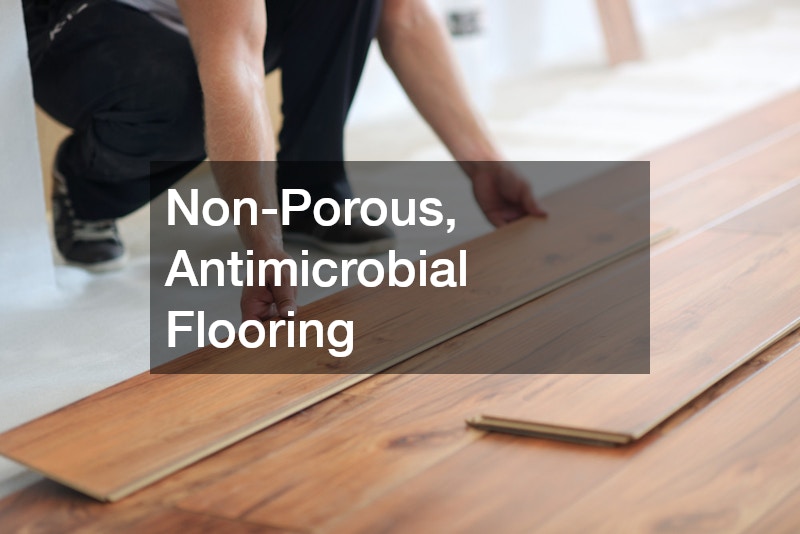
Old, cracked, or naturally porous flooring materials can trap organic debris in deep crevices that standard mopping cannot clean. Traditional wood floors with compromised topcoats or cracked ceramic tiles with unsealed grout lines become reservoirs for bacterial growth.
- Select Hard, Seamless Surfaces: Planning a new flooring installation with non-porous materials like luxury vinyl plank, poured resin, or porcelain tile provides a smooth surface that can be thoroughly sanitized.
- Seal Your Grout Lines: If you choose tile, use a premium epoxy grout or apply a high-grade penetrating sealer to traditional cementitious grout to prevent moisture and food particles from soaking in.
- Prioritize Level Subfloors: Ensure that subfloors are completely level before laying down new material. This prevents shifting and small gaps where dirt and liquids can pool undetected.
Extracting Deeply Embedded Microbes
While hard surfaces are ideal for hygiene, many homes feature carpeted areas for comfort. Carpet fibers act like a massive filter, trapping pounds of dust, dead skin cells, hair, and microscopic pathogens deep within their weave and padding over time.
- Commit to Professional Deep Extraction: Relying on regular vacuuming is not enough for soft surfaces. Scheduling a deep carpet cleaning using professional hot-water extraction reaches the bottom of the pile, using temperatures above 130°F to kill dust mites and loosen oily dirt.
- Use HEPA-Filter Vacuums Daily: For mid-week maintenance, use a vacuum equipped with a sealed HEPA filtration system to avoid blowing fine dust back into your breathing zone.
- Enforce a Strict No-Shoes Policy: Place a shoe rack and bench directly inside your primary entryway. Removing outdoor footwear immediately stops a wide range of bacteria and chemicals from entering your living spaces.
Eradicating Stagnant Water and Biofilms
Over time, soap scum, hair, and food particles accumulate along the walls of drain pipes, creating a thick, sticky layer known as a biofilm. This matrix shields colonies of bacteria and fungi from superficial rinsing, allowing them to grow up toward the sink strainer and release unpleasant odors or airborne particles into your kitchen and bathrooms.
- Avoid Corrosive Chemical Flushers: Standard, store-bought chemical drain cleaners rely on harsh acids or caustics that can damage plumbing fixtures and pipes without completely removing thick biofilms.
- Utilize Professional Hydro-Jetting: Scheduling a professional drain cleaning service that utilizes specialized mechanical snaking or high-pressure hydro-jetting strips away the accumulation on the interior pipe walls, restoring smooth, clean flow.
- Flush with Natural Solutions: Maintain clear lines between professional cleanings by flushing drains weekly with boiling water followed by a cup of baking soda and white vinegar to help break down surface oils.
- Install Hair and Debris Catchers: Place fine mesh strainers over every shower and sink drain to catch organic debris before it can enter the plumbing and feed bacteria.
Summary of Core Maintenance Tasks
To help keep your home’s defense systems working effectively, follow this recommended timeline for key structural, mechanical, and surface hygiene tasks:
- Air Filtration: Inspect and replace pleated MERV 13 filters every 60 to 90 days.
- HVAC Machinery: Schedule a professional inspection, coil sanitization, and system balancing twice per year, typically in the spring and fall.
- Plumbing Lines: Perform high-pressure line clearing and biofilm removal annually, or at the first sign of slow drainage.
- Soft Flooring: Arrange for professional hot-water extraction cleaning every 6 to 12 months to remove deeply embedded particles.
- Windows & Doors: Complete a weatherstripping inspection and thorough track sanitization bi-annually.
Designing a Daily Hygiene Protocol

While long-term structural upgrades and professional mechanical services form the foundation of a hygienic home, their effectiveness depends on consistent daily and weekly maintenance habits. Combining high-efficiency infrastructure with targeted cleaning routines ensures that pathogens are intercepted before they can colonize your space.
- Focus on High-Touch Surfaces: Focus daily disinfection on doorknobs, light switches, cabinet handles, and plumbing faucets using a microfiber cloth and an EPA-registered disinfectant.
- Manage Your Airflow: Run kitchen and bathroom exhaust fans for at least twenty minutes after cooking or showering to clear moisture and airborne particulates from the air.
- Wash Fabrics on High Heat: Clean bedding, bath towels, and area rugs weekly in water heated to at least 140°F to neutralize dust mites, skin oils, and lingering bacteria.
- Maintain Clean Cleaning Tools: Wash microfiber mop heads and cloths in a sanitizing cycle after every use. A dirty mop head will spread bacteria around your floors rather than removing it.
Creating a home that is highly resilient against pathogens is an ongoing process that requires looking at your living space as an integrated ecosystem. Every component plays a role in protecting your indoor environment, from the tight seals on your exterior doors and windows to the cleanliness of your hidden air ducts and drainage lines. Hard, non-porous surfaces prevent contaminants from finding a foothold, while properly maintained heating and cooling systems actively filter and balance the air you breathe.
Investing time and resources into these fundamental home systems moves your cleaning routine away from short-term fixes and toward long-term prevention. When you eliminate the moisture, dust, and stagnant air that biological hazards need to survive, you significantly reduce your home’s overall microbial load. The result is a cleaner, more resilient sanctuary that actively supports and protects the long-term health and well-being of everyone inside.