Welcome to the comprehensive guide on maintaining a comfortable home environment with effective HVAC solutions. In this article, we’ll explore common concerns and questions regarding home heating, ventilation, and air conditioning systems. By addressing these topics, we aim to enhance your understanding and ability to make informed decisions regarding your home’s HVAC system.
1. What is an HVAC System?
Overview of HVAC Components
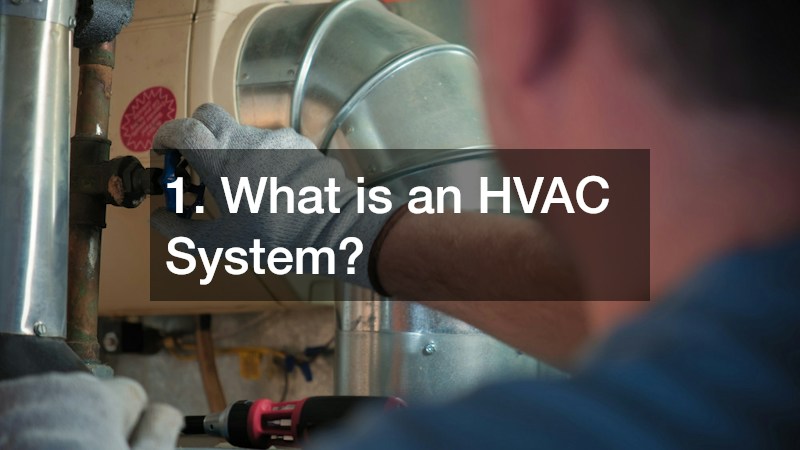
The key components of an HVAC system include heating, ventilation, and air conditioning units, which together regulate indoor climate. Each component plays a specific role; heating elements provide warmth during cold seasons, while air conditioning units cool the home in hotter months. Ventilation, on the other hand, ensures proper air circulation, eliminating impurities and maintaining indoor air quality.
Heating systems can vary from traditional furnaces to modern heat pumps. Understanding each element’s function helps in recognizing when you might need to contact an HVAC company for ac repairs or furnace repairs. Effective ventilation further augments energy efficiency, contributing to a more sustainable household.
Importance of a Functional HVAC System
A well-functioning HVAC system is crucial for maintaining indoor comfort throughout the year. It not only provides the necessary cooling and heating but also enhances energy efficiency by reducing wasted energy. This efficiency translates into lower utility bills and a reduced environmental footprint, which benefits homeowners financially and contributes to overall sustainability.
Additionally, a reliable HVAC system ensures consistent air quality by filtering out pollutants and controlling humidity levels. Regular maintenance, such as ac repairs by qualified HVAC technicians, prevents unexpected breakdowns and prolongs system lifespan. An optimally performing HVAC system is an investment in both immediate comfort and long-term savings.
2. How to Choose the Right AC Repair Service?
Evaluating Air Conditioning Companies
When selecting an air conditioning company for reliable ac repairs, several key criteria should be considered. First, check for proper licensing and insurance to ensure the company complies with industry standards. Additionally, evaluate customer reviews and ratings to gauge the company’s reputation for quality service.
It’s also important to assess the range of services provided by the HVAC company. A comprehensive service list that includes maintenance, repair, and installation services indicates a well-rounded company capable of addressing diverse AC needs. Lastly, compare experience levels across different companies, as seasoned professionals bring expertise that can offer peace of mind.
Comparing AC Repair Costs
Understanding how to compare costs associated with different ac repair services is essential. Key factors influencing costs include the complexity of the repair, the brand and model of the HVAC system, and local labor rates. Requesting detailed estimates from multiple air conditioning companies can provide a clearer picture of the market rate.
It’s also important to consider the long-term value when comparing costs. Cheaper services may not always offer the thoroughness needed, leading to additional repairs down the line. Investing in a trusted HVAC company for your ac repair ensures quality work, ultimately saving you money through reduced future repairs.
3. When Should You Call an HVAC Company?
Signs You Need Professional Help
Several indicators suggest it’s time to contact an HVAC company for expert assistance. For example, if your system fails to heat or cool efficiently, despite proper thermostat settings, professional evaluation is needed. Unusual noises or odors emanating from your HVAC system are also red flags that require immediate attention.
Additionally, a significant increase in utility bills may signal inefficiencies within your system. If routine maintenance doesn’t resolve the issue, an HVAC technician should conduct a thorough inspection. Promptly addressing these signs ensures small problems don’t escalate into more costly issues.
Emergency vs Routine Services
Knowing when to seek emergency versus routine HVAC services can save you time and expense. Emergency services are needed when the system fails completely or poses safety risks, such as a gas leak in the furnace or an electrical issue in the AC unit. They often require immediate response to prevent further damage or exposure to hazards.
Routine services, on the other hand, are scheduled checks and maintenance tasks, aimed at preventing emergencies from occurring. Scheduling regular maintenance with a professional HVAC company ensures the system remains efficient and effective throughout the year. Distinguishing between the two can help you prioritize and allocate resources effectively.
4. Common AC Repairs and Their Solutions
Frequent Air Conditioner Issues
Air conditioners commonly encounter problems such as refrigerant leaks, which reduce cooling efficiency and may require immediate ac repair. Clogged air filters are another prevalent issue, restricting airflow and straining the unit, which can be resolved by regular replacement. Electrical component failures, including worn-out capacitors or faulty wiring, often require professional diagnosis and repair.
Recognizing these issues early is critical for maintaining your AC unit’s functionality. If left unaddressed, these problems can lead to more extensive and expensive repairs or outright system failure. Partnering with a reliable HVAC company ensures timely identification and solution, minimizing disruptions to home comfort.
Preventive Maintenance Tips
Preventive maintenance is key to avoiding frequent repairs for your AC system. Regularly cleaning and replacing air filters enhances efficiency and prolongs the unit’s life. Scheduling bi-annual inspections with an HVAC technician helps identify and address problems before they escalate.
Additionally, keeping the outdoor unit free of debris and vegetation allows better airflow and prevents overheating. Simple steps like these can significantly reduce the likelihood of unexpected breakdowns, safeguarding your investment. Implementing a robust maintenance plan with the guidance of an HVAC company will ensure sustained performance and comfort.
5. How to Handle Furnace Repairs?
Common Furnace Problems
Furnace issues such as malfunctioning thermostats, clogged filters, and ignition failures are common concerns for many homeowners. A thermostat that fails to respond correctly can lead to inadequate heating or short cycling. Clogged filters restrict airflow, causing the system to work harder, which can eventually damage other components.
Ignition issues, whether due to pilot light problems or electrical failures, can prevent the furnace from producing heat altogether. Identifying these problems early can prevent costly furnace repairs. Regular inspections by an HVAC technician will help keep your heating system running efficiently and effectively.
DIY vs Professional Furnace Repair
When determining whether to pursue DIY or professional furnace repair, consider the complexity of the issue. Simple tasks like replacing filters or checking thermostat batteries can often be done by homeowners. However, more serious issues, such as electrical problems or gas leaks, require a professional HVAC technician’s expertise.
Attempting complex repairs without proper knowledge can lead to safety hazards or further damage. HVAC companies employ trained technicians who are proficient in tackling a wide range of furnace repairs safely and effectively. It is often more cost-effective to hire professionals who guarantee quality repair and efficient restoration of comfort in your home.
6. Who Are HVAC Technicians?
Roles and Responsibilities
HVAC technicians are responsible for installing, maintaining, and repairing heating and air conditioning systems. They conduct diagnostic tests to identify issues, perform necessary repairs, and ensure systems meet efficiency standards. Their expertise involves working with various system types, including central air, mini splits, and furnaces.
Technicians also play a vital role in educating homeowners about the state of their systems and recommending solutions for optimal performance. Regular visits from an HVAC technician can extend the life of your equipment through proper care and maintenance. Their contribution is crucial to the smooth operation of home HVAC systems.
Selecting a Qualified Technician
When selecting a qualified HVAC technician, verifying credentials is essential. Look for certifications from recognized industry bodies, indicating that the technician has received in-depth training and adheres to best practices. Additionally, consider their experience level, as more years in the field typically translate to better problem-solving skills.
7. What Are Mini Splits?
Advantages of Mini Splits
Mini splits offer numerous advantages, including flexible installation options and energy efficiency. Unlike traditional central air systems, mini splits do not require extensive ductwork, making installation less invasive and suitable for homes without pre-existing ducts. They provide individualized climate control, allowing homeowners to customize temperatures for different zones or rooms.
Installation Considerations
Installing mini splits involves several key considerations. Proper sizing is crucial; an undersized system will struggle to reach desired temperatures, while an oversized system may result in frequent cycling and increased wear. Placement of the indoor and outdoor units also affects performance, requiring strategic decisions for optimal airflow and efficiency.
8. The Role of Air Conditioning Companies
Services Offered by AC Companies
Air conditioning companies provide a broad range of services that extend beyond just ac repair and installation. They conduct routine maintenance checks, which are vital for extending the life of AC units and optimizing performance. These companies often also handle ac installations and upgrades, keeping your home equipped with the latest technology.
Choosing the Right Company
Choosing a reputable air conditioning company requires careful consideration. Look for companies with strong customer testimonials and a proven track record of excellence in service. Checking for appropriate licensing and insurance is necessary to protect your home during ac installations and repairs.
9. What to Expect from AC Installations?
Preparing for Installation
Proper preparation is key to successful ac installations. Before the installation date, homeowners should clear the area where the AC unit will be placed, ensuring it’s accessible for the technicians. Additionally, having a clear understanding of the installation process aids in anticipating any disruptions to daily routines.
Post-Installation Checks
After ac installations, conducting post-installation checks is crucial to ensure systems operate as intended. Confirming that the unit cycles correctly between heating and cooling modes verifies that all components are functioning. It’s also important to check for secure fittings and proper airflow throughout the system.
10. Why is Air Duct Cleaning Important?
Benefits of Clean Air Ducts
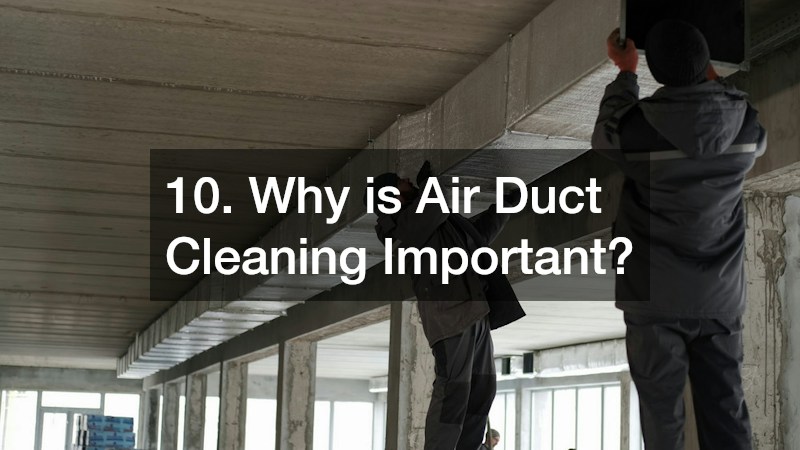
Clean air ducts play a pivotal role in ensuring a healthy and efficient home environment. By removing accumulated dust, allergens, and debris, air duct cleaning enhances indoor air quality, reducing respiratory irritants and enhancing overall comfort. Clean ducts also improve HVAC efficiency by allowing unrestricted airflow.
Signs It’s Time to Clean Your Ducts
Certain signs indicate the need for professional air duct cleaning. If you notice persistent dust accumulation on surfaces despite regular cleaning, it might be time to check your air ducts. Unpleasant odors emanating from the vents when the HVAC system is running could also suggest clogged or contaminated ducts.
11. How to Handle Emergency AC Repairs?
Identifying an AC Emergency
Identifying an AC repair emergency involves recognizing issues that pose immediate threats or discomfort. Complete system failures during peak seasons, compromising indoor comfort, signify emergencies. Water leaks around the system raise concerns of potential damage to property and should be addressed promptly.
Electrical issues, such as circuit breaker trips, also warrant immediate attention due to safety risks. A qualified HVAC technician should evaluate these situations quickly to restore system functionality and safety. Timely identification and response are crucial for minimizing damage and ensuring prompt comfort restoration.
12. How Regular Maintenance Prevents HVAC Issues?
Schedule for HVAC Maintenance
Establishing a regular maintenance schedule is crucial for preventing HVAC issues. Typically, bi-annual check-ups, one before the heating season and one before the cooling season, are recommended. These inspections allow HVAC technicians to identify and address potential problems early, reducing the risk of unexpected breakdowns.
Regular maintenance also includes routine tasks like filter changes, system cleaning, and performance checks. Following a structured maintenance plan prolongs the lifespan of HVAC systems while maintaining energy efficiency. Prioritizing these tasks ensures systems remain in optimal condition year-round.
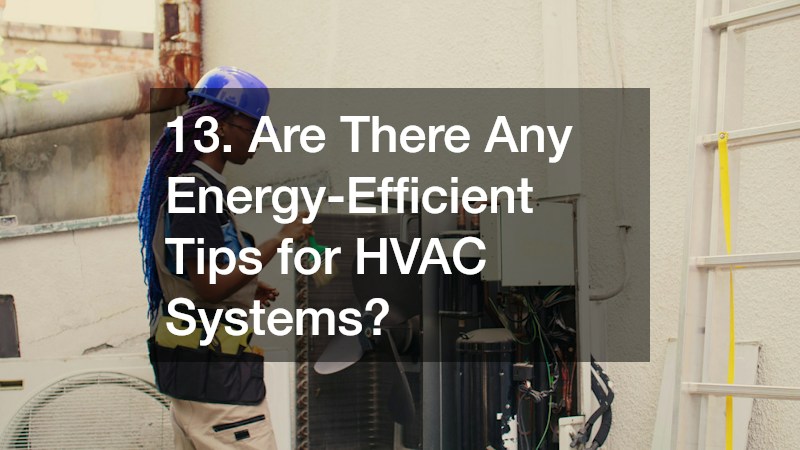
13. Are There Any Energy-Efficient Tips for HVAC Systems?
Enhancing HVAC Efficiency
Enhancing HVAC efficiency involves implementing practical strategies to optimize system performance. Sealing air leaks around windows and doors prevents conditioned air from escaping, reducing the load on heating and cooling systems. Upgrading to programmable thermostats enables more precise temperature control, contributing to energy savings.
Maintaining clean filters and ducts ensures unobstructed airflow, allowing the system to operate efficiently. Additionally, conducting regular maintenance inspections identifies and rectifies inefficiencies before they impact energy use. These practices refine HVAC operations, leading to reduced energy consumption and lower bills.
Conclusion
We hope this guide has provided valuable insights into various aspects of home HVAC systems, helping you make informed decisions to maintain a comfortable and efficient home environment all year long. A reliable HVAC system is crucial for ensuring comfort, energy efficiency, and indoor air quality. By applying the knowledge shared here, homeowners can achieve optimal HVAC performance, safeguarding their investment and enhancing their quality of life.